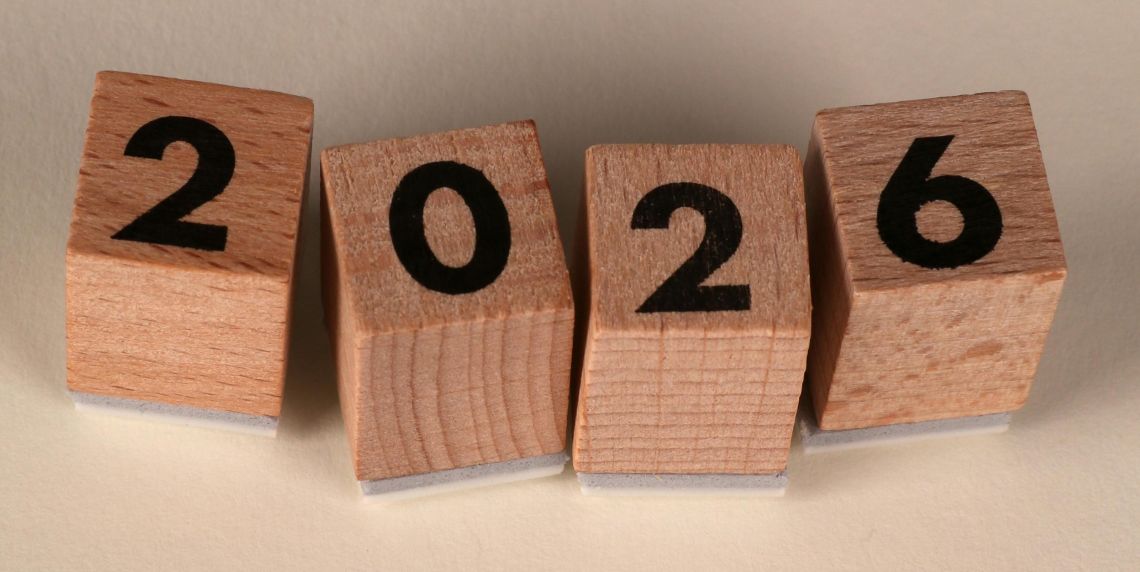
The end of the year is more than a final date on the calendar. It’s a natural pause point. People slow down, look back, and start thinking about what they really want to change.
As the year comes to a close, many people begin to reflect on what they have achieved, what they have learned, and what they are still hoping for.
A goal without a plan is just a wish.
Why people make New Year’s resolutions (and why they fail)
Common resolutions:
Learn a language
Exercise more
Spend less time on social media
Save money
Read more books
Why do so many of them disappear by February?
They are too big or unclear
No plan is created
Motivation fades
Progress isn’t visible
A smarter way to set resolutions: focus on habits or micro-goals.
Examples: ❌ “I will learn English.” ✅ “I will practise English for 15 minutes a day.”
❌ “I will be fluent.” ✅ “I will learn 10 new words a week and use them in a sentence.”
Listening
Listen to a 5-minute podcast every morning
Watch one episode of a series each week without subtitles
Speaking
Record yourself speaking for 2 minutes a day
Join one online conversation group per month
Reading
Read one article a week (BBC Learning, news, blog posts)
Underline 5 new words
Writing
Write one short paragraph every day
Keep a “Word of the Day” journal
Language is not learnt in a day; it is built in small moments, repeated again and again.
Question for Reflection
What was your biggest challenge this year?
What did you do well in your English learning?
What is ONE small habit you can start in January?
This year I struggled with listening, but I improved my vocabulary. In the new year, I will practise listening for 10 minutes every day.
The end of the year is not a finish line. It is a bridge. And every small step in the right direction counts.