
Period 1 7.2 Soft Skills DOPP B1/B1+
Soft Skills
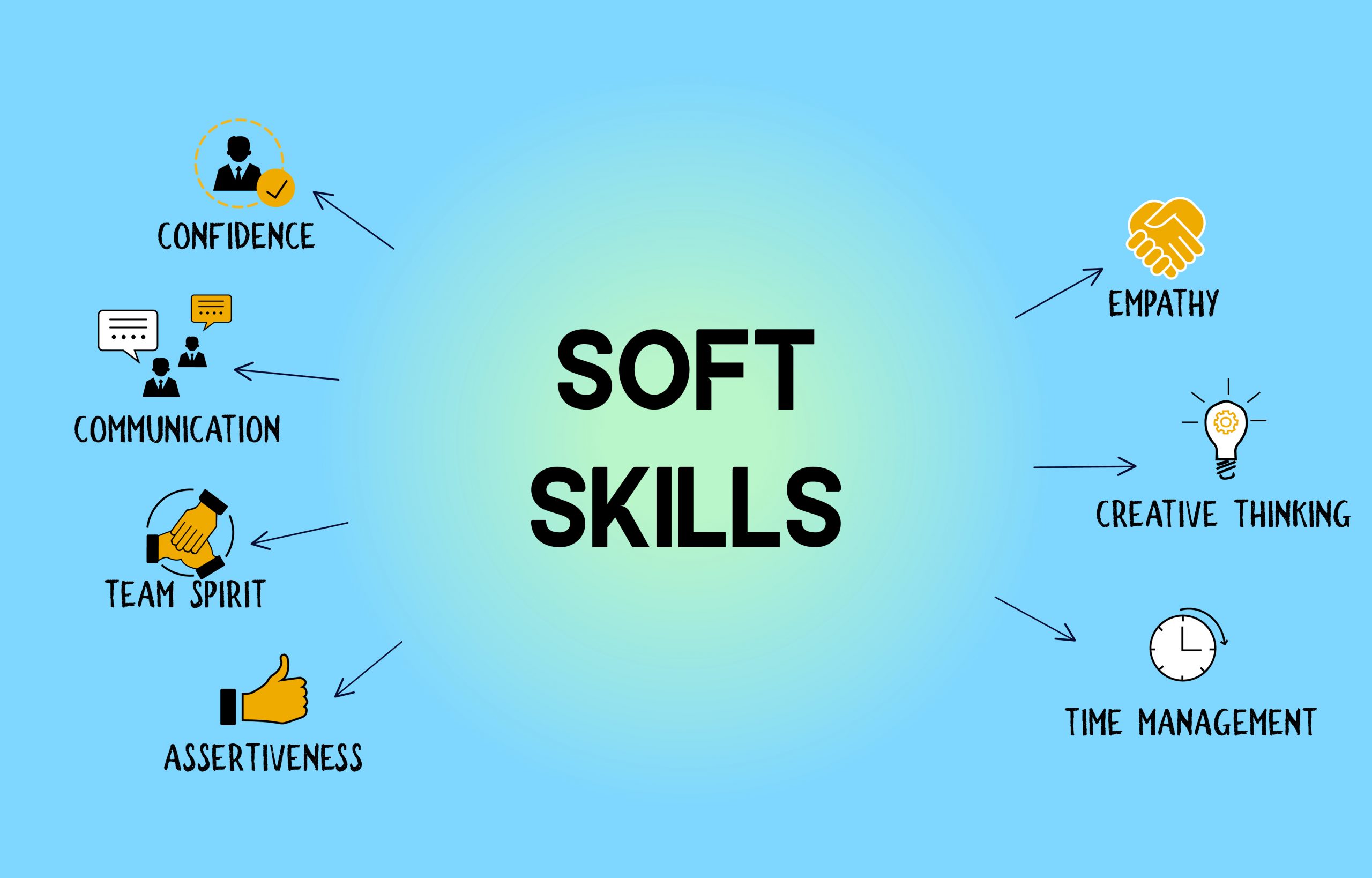
Discussion: Do you know what soft skills are? Name some soft skills? Why do you think soft skills could be important in the work place?
What are Soft Skills?
Soft skills are non-technical skills that relate to how you work. They include how you interact with colleagues, how you solve problems, and how you manage your work. Unlike hard skills, which are specific and teachable abilities or knowledge (like software programming or accounting), soft skills are often seen as personality traits or habits.
Key Soft Skills and Their Definitions
Communication
- Definition: The ability to convey information effectively and efficiently. This includes both verbal and non-verbal communication, listening skills, and the ability to give and receive feedback.
- Example: Presenting ideas clearly in a meeting, writing concise and clear emails, and actively listening to others.
Teamwork
- Definition: The ability to work well with others to achieve a common goal. It involves collaboration, sharing responsibilities, and supporting colleagues.
- Example: Participating in group projects, contributing to team meetings, and helping coworkers when needed.
Problem-Solving
- Definition: The ability to identify issues, analyze problems, and develop effective solutions. It involves critical thinking, creativity, and the ability to work under pressure.
- Example: Finding ways to overcome obstacles in a project, developing a strategy to improve efficiency, and resolving conflicts.
Time Management
- Definition: The ability to manage one’s time effectively to maximize productivity and meet deadlines. It includes prioritizing tasks, setting goals, and avoiding procrastination.
- Example: Creating a daily schedule, prioritizing tasks based on deadlines and importance, and using tools like calendars or task lists.
Adaptability
- Definition: The ability to adjust to new conditions and changes in the workplace. It involves being flexible, open to new ideas, and able to handle unexpected situations.
- Example: Taking on new responsibilities, adapting to new technology, and handling last-minute changes to a project plan.
Conflict Resolution
- Definition: The ability to resolve disagreements and conflicts in a constructive manner. It involves negotiation, empathy, and maintaining positive relationships.
- Example: Mediating a dispute between team members, finding a compromise that satisfies all parties, and maintaining professionalism during disagreements.
Leadership
- Definition: The ability to guide, inspire, and motivate others. It includes setting a vision, delegating tasks, and leading by example.
- Example: Leading a team project, mentoring junior employees, and taking initiative in improving team processes.
Importance of Soft Skills in the Workplace
Soft skills are crucial for career success. They enhance your ability to work effectively with others, solve problems, and adapt to changes. Employers value soft skills because they contribute to a positive work environment, improve team performance, and lead to better customer service.
Application of Soft Skills
Understanding and developing soft skills can lead to improved job performance and career advancement. Here are some practical ways to apply soft skills in the workplace:
- Communication: Use clear and concise language in emails and reports. Practice active listening during meetings and one-on-one conversations.
- Teamwork: Collaborate on projects, offer help to colleagues, and participate actively in team meetings.
- Problem-Solving: Approach problems methodically, breaking them down into manageable parts and brainstorming potential solutions.
- Time Management: Prioritize tasks based on importance and deadlines, set realistic goals, and avoid multitasking to maintain focus.
- Adaptability: Stay open to new ideas, volunteer for new projects, and be willing to learn new skills.
- Conflict Resolution: Address conflicts directly and calmly, seek to understand different perspectives, and work towards mutually beneficial solutions.
- Leadership: Take initiative, delegate tasks effectively, and inspire and motivate your team through your actions and words.
By integrating these soft skills into daily work routines, employees can enhance their productivity, build stronger relationships with colleagues, and create a more positive and efficient work environment.


Reading and Comprehension:
Read the story below about soft skills in the workplace. After reading, answer the comprehension questions that follow.
The New Project and the Power of Soft Skills
Alice had recently been promoted to team leader at her tech company. She was excited about her new role, but she knew that managing a team would require more than just technical knowledge. One of her first tasks was to lead a critical project for a high-profile client.
On the first day of the project, Alice gathered her team for a kickoff meeting. She knew that effective communication was essential for success. She clearly outlined the project goals, deadlines, and individual responsibilities. Alice also encouraged her team to voice any concerns or ideas they had, fostering an open dialogue.
As the project progressed, Alice noticed that two of her team members, Mark and Jane, were often at odds. Their constant disagreements were affecting team morale. Alice decided to use her conflict resolution skills. She arranged a private meeting with Mark and Jane, where she listened to both sides and helped them find common ground. By the end of the meeting, they had agreed on a plan to work together more effectively.
Midway through the project, the client requested significant changes. The team was already working under tight deadlines, and this new development could have caused panic. However, Alice’s adaptability shone through. She reassessed the project plan and redistributed tasks, ensuring that the team could meet the new requirements without compromising on quality.
Alice also demonstrated excellent time management skills. She introduced weekly progress meetings to keep everyone on track and used project management tools to monitor deadlines and deliverables. Her proactive approach helped the team stay organized and focused.
Despite the challenges, Alice’s leadership kept the team motivated. She used her leadership skills to inspire confidence, often reminding the team of their strengths and past successes. When the project finally concluded, it was a resounding success, and the client was thrilled with the results.
Alice’s ability to communicate effectively, resolve conflicts, adapt to changes, manage time efficiently, and lead her team played a crucial role in the project’s success. Her soft skills not only enhanced team performance but also created a positive and collaborative work environment.
Comprehension Questions
What was Alice’s role in the company?
How did Alice demonstrate effective communication at the beginning of the project?
What strategy did Alice use to resolve the conflict between Mark and Jane?
How did Alice handle the client’s request for significant changes midway through the project?
What measures did Alice take to ensure effective time management?
In what ways did Alice demonstrate her leadership skills throughout the project?
Why were Alice’s soft skills important to the success of the project?