
Period 1 8.1 Comparative structures DOPP B1/B1+
Comparative Structures

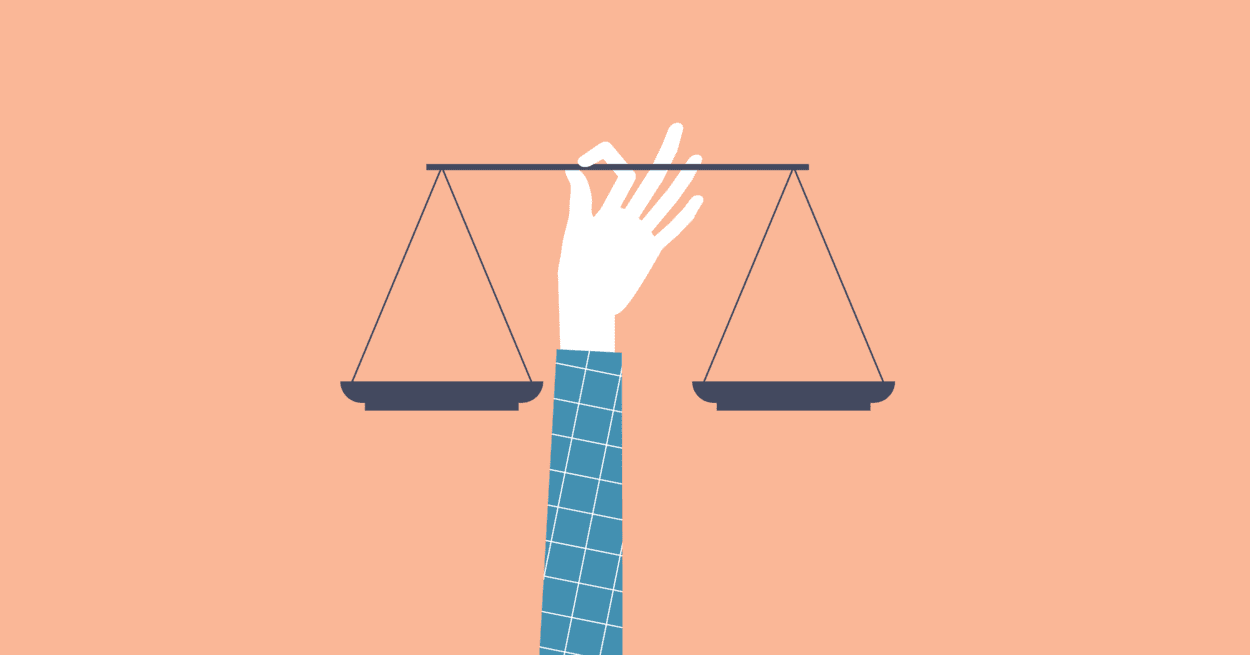
1. Definition of Comparative Structures
Comparative structures are used to compare two people, things, or ideas. They highlight differences and similarities, often in terms of quality, quantity, or degree.
2. Forming Comparatives
A. Short Adjectives (one syllable):
- Form the comparative by adding “-er” to the adjective.
- If the adjective ends in “e,” just add “r.”
- If the adjective ends in a single vowel followed by a single consonant, double the consonant before adding “-er.”
Examples:
- High → Higher: “This quarter’s revenue is higher than the previous quarter’s.”
- Large → Larger: “Our market share is larger than last year’s.”
- Big → Bigger: “Our new office is bigger than the old one.”
B. Long Adjectives (two or more syllables):
- Form the comparative by placing “more” before the adjective.
Examples:
- Efficient → More efficient: “Our new system is more efficient than the old one.”
- Expensive → More expensive: “This model is more expensive than the basic one.”
C. Irregular Adjectives:
- Some adjectives have irregular comparative forms that must be memorized.
Examples:
- Good → Better: “Our product is better than the competitor’s.”
- Bad → Worse: “The situation is worse than we thought.”
3. Using “Than” in Comparisons
Comparatives are often followed by “than” to show the comparison between two entities.
Examples:
- “Our profits this year are higher than last year’s.”
- “This software is easier to use than the previous version.”
4. Common Mistakes and Tips
A. Double Comparatives:
- Avoid using double comparatives (e.g., “more better,” “more higher”). Only use one form (e.g., “better,” “higher”).
B. Comparatives vs. Superlatives:
- Do not confuse comparatives with superlatives. Comparatives compare two things, while superlatives compare more than two and often use “-est” or “most.”
Examples:
- Comparative: “This project is more challenging than the last one.”
- Superlative: “This is the most challenging project we have ever done.”
C. Consistency:
- Ensure consistency in the form of adjectives used for comparison. Do not mix short and long forms incorrectly.
Examples:
- Correct: “This task is simpler than the previous one.”
- Incorrect: “This task is more simpler than the previous one.”
Examples in Business Context
Market Share:
- “Our company has a larger market share than our main competitor.”
- “Their prices are cheaper, but our products are of higher quality.”
Employee Performance:
- “The sales team’s performance this quarter is better than last quarter.”
- “Our customer service is more responsive than it was last year.”
Product Comparisons:
- “The new model is more efficient and easier to use than the previous one.”
- “This software package is more comprehensive than the basic version.”
Listening: Listen to the audio and answer the questions:

Reading: Read the text and answer the questions:
Apple vs. Samsung
Apple and Samsung are two of the most well-known companies in the technology sector. Both companies produce a variety of electronic products, including smartphones, tablets, and laptops. However, they have different strengths and weaknesses.
Apple is known for its innovative design and user-friendly products. Its iPhone is one of the best-selling smartphones in the world. Many people believe that Apple’s products are more stylish and easier to use than those of its competitors. Apple is also famous for its strong brand loyalty; customers are often very satisfied with their products and are likely to buy Apple products again.
Samsung, on the other hand, is known for its wide range of products. Samsung offers more types of smartphones than Apple, catering to different budgets and preferences. Samsung’s flagship phones, like the Galaxy series, are among the most advanced in the market. They often feature the latest technology and are considered to be very powerful. Additionally, Samsung’s products are generally more affordable than Apple’s.
When it comes to customer service, both companies excel. Apple is often praised for its helpful and friendly customer service. Many customers feel that Apple’s support team is the most efficient. Samsung also has a strong reputation for customer service, but some customers feel that Apple’s service is better.
Overall, Apple and Samsung are both highly successful companies, but in different ways. Apple is known for its innovation and brand loyalty, while Samsung is recognized for its wide range of products and affordability.
Questions:
- What are Apple products often praised for?
- Which company offers more types of smartphones, catering to different budgets and preferences?
- What is one of the main reasons for Apple’s strong brand loyalty?
True or False:
- Apple’s iPhone is one of the best-selling smartphones in the world.
- Samsung’s products are generally more expensive than Apple’s.
- Apple is recognized for its wide range of products and affordability.
- Both Apple and Samsung are known for their strong customer service.
- Samsung has stronger brand loyalty than Apple.