
1.2.4 HEALTH AND WELL-BEING
HEALTH AND WELL-BEING
1.Warm up
Click on the slides below to do the quiz “Would you be a good doctor?”
2A.Reading
In pairs, look at the things mentioned below. Which things do you think doctors might NOT do themselves and why?
Drink alcohol Take sleeping pills Follow a low-carb diet Take vitamin supplements
Go to the doctor with a long list of symptoms See a counsellor Have a full health check
Sunbathe Use alternative medicine Vaccinate their children against childhood illnesses, like measles
Have cosmetic surgery Take anti-malaria pills when visiting a country where it is common Smoke
2B. Read the following article and do the exercises underneath.
What doctors won't do ...
Doctors reveal the treatments or behaviours they would avoid.
I would never…..
A. Have a full health check
I would never take up the regularly advertised offers by private medical companies. Why? Well, if you have symptoms, you go to your GP and they listen to your history, examine you, request investigations, and reach a decision. This process is known as ‘diagnosis’. A full check when you feel totally well is not diagnosis, it is ‘screening’. There are few screening tests where (1) the advantages outweigh the disadvantages, and they could lead you to have potentially harmful investigations, or indeed treatment, that you may not have needed. One hears anecdotes about the advantages of health checks. One hears anecdotes about people who have fallen out of sixth-floor windows and lived, but I wouldn’t try it myself. – Mike Smith, G.P.
B. Go to the doctor with a long list of symptoms
Patients often think this helps, but (2) it makes the doctor’s heart sink. They’re not going to be able to deal with everything in one go, and most importantly of all, it makes them think you haven’t got one particular problem, you’ve got multiple problems, which is a sure sign of a hypochondriac. – Carol Cooper, G.P.
C.Sunbathe
(3) People underestimate the risk. They think, ‘My skin looks all right; how can it be damaged?’ Even if your skin doesn’t look aged, you can end up with skin damage that sets you up for potential cancers in the future. Sunbathing in your teens and early 20s is a very strong risk factor. We are now seeing cancers in the under-40s that we used to see only on the faces of old, weather-beaten guys who had spent a lifetime outdoors. I would go out in the sun, but I would never lie in it with the purpose of getting a tan. – Carol Cooper, G.P.
D.Take sleeping pills
I have come across many patients who have been taking them for decades. They are addictive and (4) it can be very difficult for people to wean themselves off them; the side-effects can include falls, confusion, sleepiness in the daytime, and the feeling that increasingly high doses are needed to achieve the same effects. I can’t imagine any situation in which I would start using them. – Helen Drew, G.P.
E.Follow a low-carb diet
Why? Because although you will probably lose weight, it may kill you. Don’t take my word for it – read about 43,396 Swedish women followed for an average of 15 years. (5) Those who stuck to low carbs and high protein had a rising risk of dying from heart attacks and strokes. There was a staggering 62% higher risk of such illnesses among the women eating the strictest diet over those who ate normally. Eating is for enjoyment; these diets turn food into medicine and it’s the wrong medicine. – Tom Smith, G.P.
F. Have cosmetic surgery
The reason for my reluctance? Nothing to do with anaesthetics (safe these days), but entirely to do with surgry, which (6) should never be undertaken for what you might call ‘soft’ reasons. It’s not that surgery is so dangerous that I would worry about death. Mainly it’s the worry of an infection, which can be very unpleasant. – Mark Patrick, consultant anaesthetist.
G. See a counsellor
I’d never go to one if I was having mental health problems. This is an entirely unregulated area and absolutely anyone can claim to be one. As a result, (7) quality varies hugely. I have seen too many patients who have been further psychologically damaged by seeing poorly-qualified practitioners. – Max Pemberton, psychiatrist.
Abridged version from The Guardian newspaper
2C. Read the article again, and decide True or False for the following questions.
2D. Look at the highlighted phrases in the article and focus on the verbs in bold. What do they mean?
- outweigh
- sink
- underestimate
- wean off
- stuck to (infinitive: stick to)
- undertaken (infinitive: undertake)
- varies (infinitive: vary)
2E. Discussion
- Do any of the doctors’ opinions surprise you?
- Might their opinions affect the way you behave? Why (not)?
- Is there anything connected with medicine or health that you would never do?
3A. Listening & Speaking
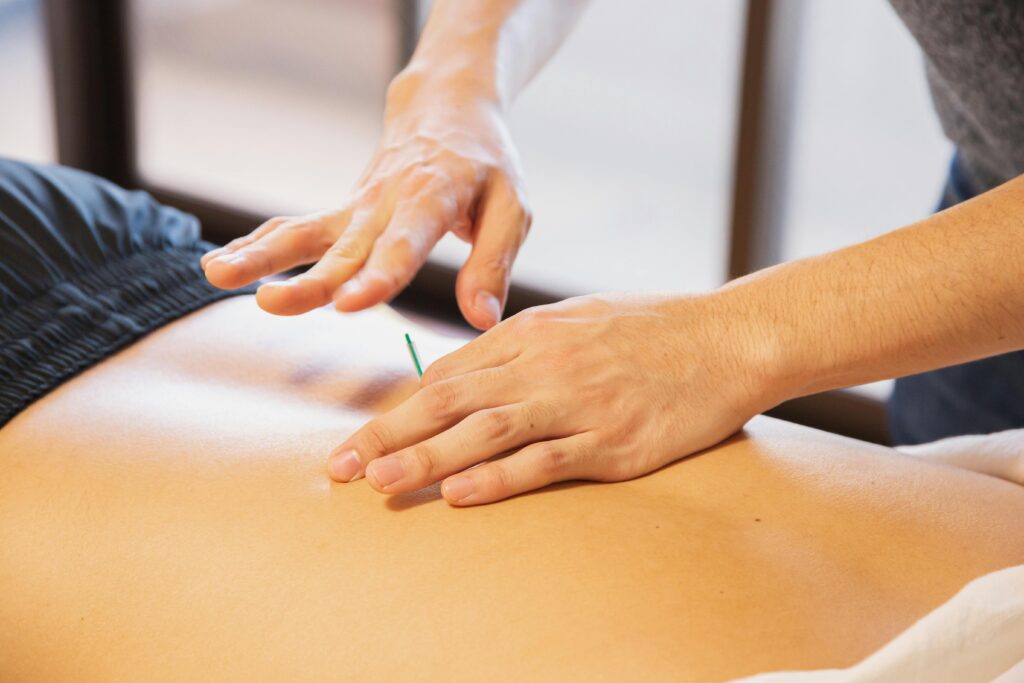
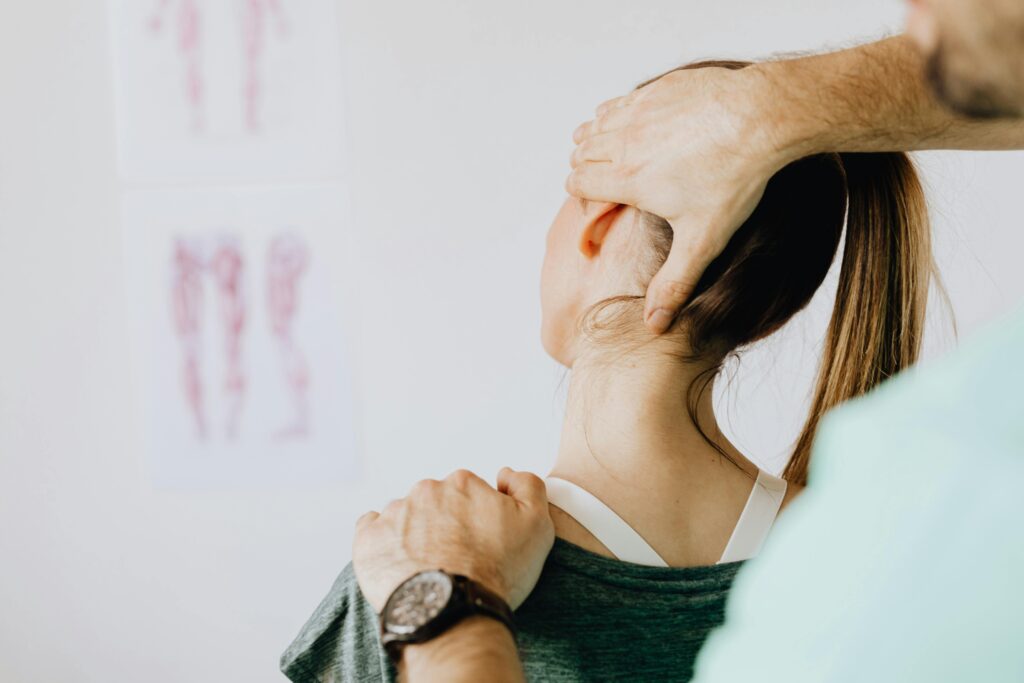
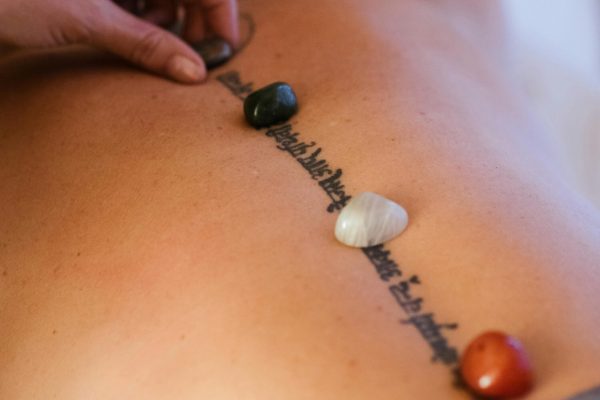
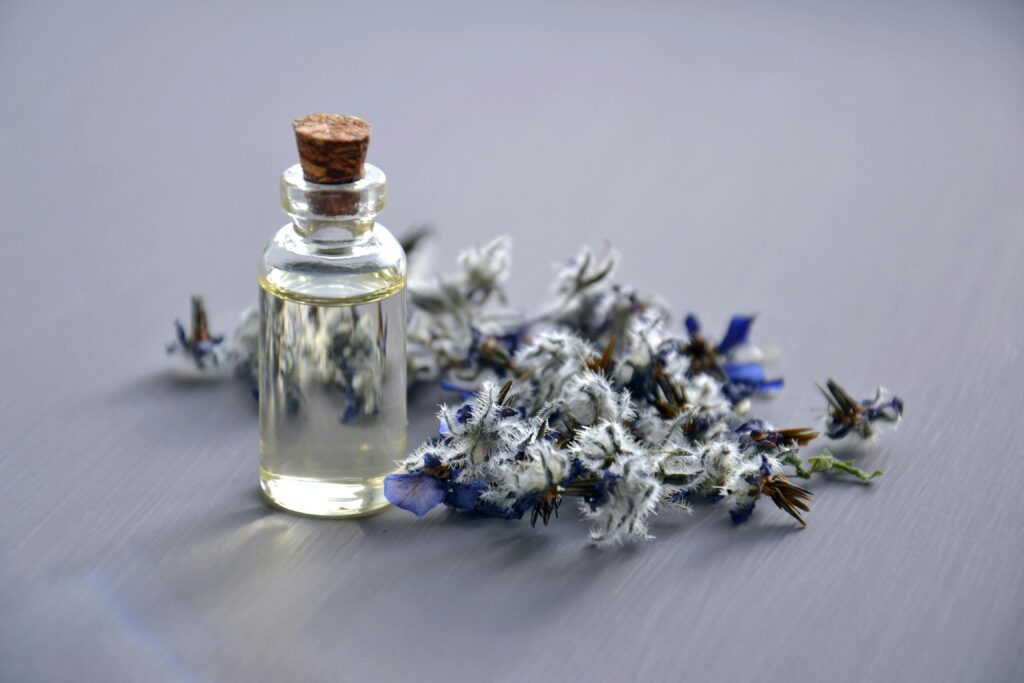
Look at the types of alternative medicine below:
- Do you know what any of them involve?
- Do you know of any other kinds of alternative treatments?
acupuncture aromatherapy chiropractic herbal medicine
homeopathy hypnotherapy osteopathy hot stone therapy
3B. [Audio 8.1] Listen to five people talking about alternative medicine. Answer the questions for each speaker.

3C. Listen again.
3D. Discuss in groups
- Have you ever tried any forms of alternative medicine, or do you know anyone who has? Was the experience positive or negative?
- Do you, or does anyone you know, feel strongly either that alternative medicine really works or that it’s a’a waste of time and money’?
4A. Advanced gerunds and infinitives
4B. Word patterns
4C. Grammar reference
[wpdatatable id=233]
[wpdatatable id=235]
We often use and + verb instead of to + infinitive after try, wait, come and go,
e.g. Come and see me when you’re next in New York.
I’m not sure what’s going to happen – we need to wait and see.
4D. Grammar practice
4E. Grammar practice 2
5A. Listening & Speaking
With a partner, look at the photos of leisure activities and think of one physical or mental health benefit of doing each activity.
5B. Reading
Read this extract from a news article. What is ‘social prescribing’?
Forget the pills – dancing and gardening are better for your health
Many people find hobbies rewarding. However, they may also be more effective than medicine at keeping us healthy. The government is now asking GPs to move away from automatically prescribing drugs and to encourage patients to become more sociable and active, through taking up hobbies such as gardening, yoga, book clubs, and cookery classes. Research suggests that what is known as ‘social prescribing’ could cut A&E visits by a quarter, reduce GP appointments, help improve long-term health, and delay cognitive decline.
Adapted from The Times
Glossary: A&E = Accident and Emergency
5C. Audio [8.4]
Now listen to a radio interview with a research scientist about ‘social prescribing’.
5D. Audio [8.4]
Listen again. What does the scientist say about the following things?
5E. Discussion
- How would you feel if your doctor refused to prescribe you medicine and suggested golf or gardening instead?
- Do you do any of the activities mentioned in the interview? Do you do them alone, or with other people? What other leisure activities do you think might also have health benefits?
- Does the government in your country give advice about a healthy lifestyle? Do you think people take it seriously? Do you think advice like this is helpful, or should people be left to make their own lifestyle decisions?
6A. Vocabulary – Similes
Do you know anyone who …?
eats anything they like, but is really skinny
can’t see anything if they aren’t wearing their glasses
drinks too much
can’t hear very well, but won’t use their hearing aid
is in great physical shape
is elderly, but never seems to get ill
always sleeps really well at night
refuses to do something even though you keep telling them
has incredibly well-behaved children
Similes for comparison
A simile is a fixed expression of comparison using as or like, which adds emphasis to adjective, adverb, or verb, e.g.
- Are you OK? You look as white as a sheet/ghost!
- When I called her, the nurse came as quick as a flash.
- My new medication works like a dream.
What kind of similes do you use in Spanish? Do they translate well into English?
6B. Practice
Use these words to complete the similes that go with each image.
blind deaf drinks eats fit good sleeps stubborn thin tough
6C. Practice
6D. Pronunciation
Look at the sentence below and answer the questions.
He refuses to go to the doctor about his bad back – he’s as stubborn as a mule.
- Which unstressed words contain the /ə/ sound?
- Which two stressed words also contain the /ə/? Is it on a stressed syllable or an unstressed or an unstressed syllable?
6E. [Audio 8.6]
Listen and check. Practise saying the sentence.
6F. [Audio 8.7]
7A. More similes
With a partner, see if you can finish these similes:
7B. Practice
Can you think of some situations when you might use these similes?
7C. Would you rather...?
Using the similes in exercises 6B and 7A, make questions with Would you rather…?
e.g. Would you rather be as free as a bird or as busy as a bee?
7D. Make your own similes
Try and make your own similes
- As hungry as …
- As happy as …
7E. Simile charades
One student acts out a simile silently (as slow as a snail 🐌, as strong as an ox 💪).
Everyone else has to guess the simile.
To download the pdf for this lesson 1.2.4 click HERE.