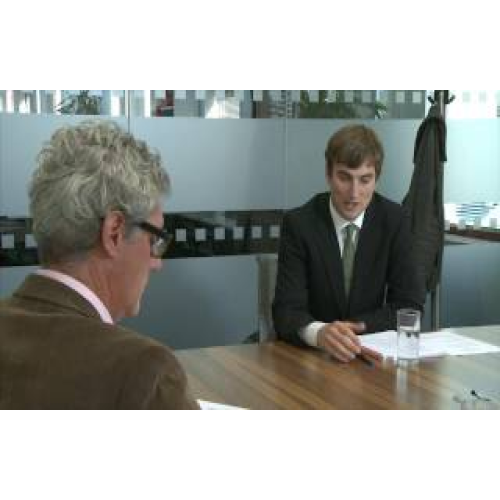
How much experience do you have with job interviews?
What do you like/don’t you like about job interviews?
What are the most common mistakes candidates make during job interviews?
How important is body language in a job interview? Can you provide examples?
What role does research about the company play in the success of a job interview?
2.Reading
Read the following text about mastering job interview skills and answer the questions below.
Mastering Job Interview Skills: Navigating with Acumen and Empathy
Good job interview skills are about more than just speaking well. They include many different abilities. People who show an astute understanding of the nuances of behavioural interview questions often do better. They use clear thinking to understand difficult questions and give smart, organized answers. This shows their proficiency.
A candidate’s demeanour—how they act and speak—also matters. Showing empathy and being professional can make a big difference in how the interview goes.
Preparing well is another important step. Learning about the company and the job helps a lot. When this preparation works together with the ability to deal with unexpected questions, it creates a strong synergy.
Of course, having the right technical skills is important. But often, the best candidates are those who combine people skills and smart thinking. This amalgamation is what often makes someone triumphant in a job interview.
Confidence is also very important. People who are sure of themselves—but not arrogant—leave a strong impression. This confidence comes from their acumen—knowing their own strengths, talking clearly about their past success, and focusing on solutions. This helps them build a connection with the interviewer and show they are reliable and capable—qualities employers really want.
Comprehension Questions
3.Vocabulary
4. Practice Exercise
5.Discussion
Can you talk about a time when you had to use your knowledge of business to make an important decision? What happened in the end?
How important do you think a person’s attitude and behaviour are in a job interview? Can you give an example of a time when this affected the result of an interview?
Can you describe a time when good teamwork helped your team finish a project successfully? What made the teamwork so effective?
How do you think being good at certain skills helps someone get a job? Can you give an example from your own experience?
How can noticing small things like the interviewer’s body language or tone of voice help you answer better? Can you think of a time when this helped you communicate more effectively?
THE INTERVIEW
a.Read the biographical information about Ryan Judd. What do you think his job involves?
Ryan Judd was born in 1976. He had been working as a recruitment advisor in the HR department at Oxford University Press since 2010.
b.Watch Part 1 of an interview with him. Which things does he mention that candidates for a job interview should do?