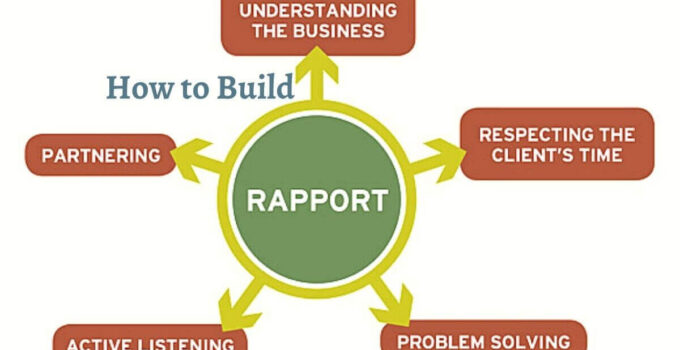
Topic 1.9.4 Building Rapport

WHAT DOES IT MEAN TO BUILD RAPPORT?


Now read the following passage from www.betterup.com 


DISCUSSION: how can you build rapport with someone you meet for the first time? Give examples of spoken and non-verbal  techniques for building rapport with new colleagues.

ACTIVITY: Video. Watch the video as Daniel and Alex prepare for the graduate trainees´ induction meeting and answer the questions.

https://www.youtube.com/watch?v=yaHvCZHo-Iw

1How does Daniel describe Beata?

2What is Jessica looking for in an employee?

3 What do we learn about Alex?

4What does Alex do to try to build rapport with Beata?

DISCUSSION:  which is the best approach (Option A or B) for Beata to take as she meets members of the team for the first time. As a class, decide which video to watch first.  


Option A – Beata tries to build rapport by listening to her new colleagues.

https://www.youtube.com/watch?v=2Zqfi0tNQPo

Option B – Beata tries to build rapport by demonstrating her knowledge of the product and the company.

https://www.youtube.com/watch?v=nD1NxniRoSA


Now work in pairs or small groups and answer the questions below:

How does Beata try to build rapport with Alex / Jessica? 

Is she successful? Why? why not?


ACTIVITY: Video. before watching the Conclusions section answer the question below:

What have you learnt from the two options (A-B)?


Now watch the last part and compare what the speaker says to your answer.

https://www.youtube.com/watch?v=4Ft2r3-nSto


Watch or listen again.


ACTIVITY: look at some ways of non-verbal communication. Do you usually use any of them? When?


ROLE PLAY: work in groups of thee. Read the scenario below. Roleplay the situation.

Scenario: business meeting to introduce a new project.

Project Name: Eco-Friendly Office Supplies Initiative

Objective: To reduce the company’s environmental footprint by switching to eco-friendly office supplies.


Roles:

Manager: Responsible for leading the meeting and presenting a new project.

-A brief introduction of the project.

-Use gestures to emphasize key points.

Team member A: Interested in the project and asks questions.

– leaning forward and nodding.

-Use positive facial expressions to show enthusiasm.

Team member B: Skeptical about the project and expresses concerns.

-Show skepticism by crossing arms or raising an eyebrow.

-Use a questioning tone and cautious body language.

DISCUSSION:  After the role play, discuss the following questions:

How did nonverbal communication affect the interaction?

What nonverbal cues were most effective in conveying interest or skepticism?

How can nonverbal communication be improved in a business setting?


ACTIVITY:

Use the Cambridge Online Dictionary to look the meaning up and read more examples.